
Mile 181 Report
Carl G. Washburne SP, Blowout Creek
November 20, 2023
A quiet day at the beach.
Report Details
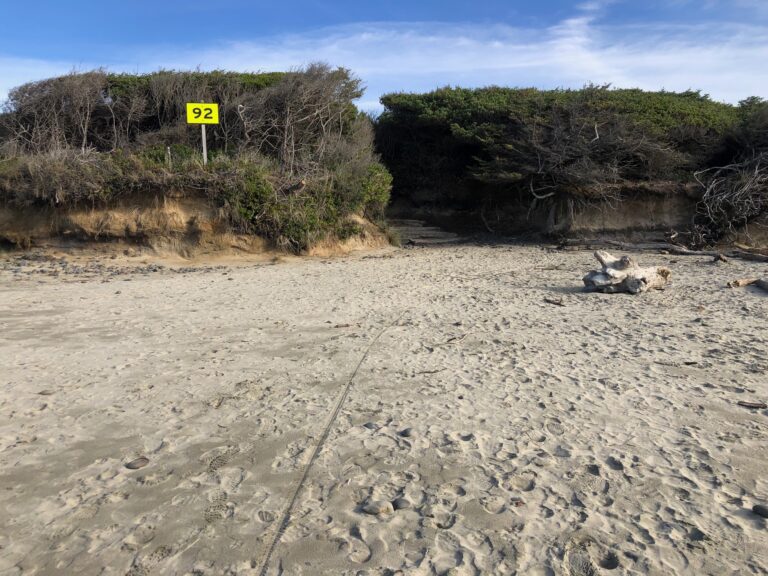
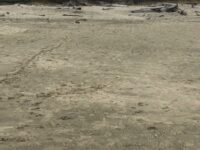
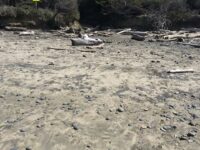
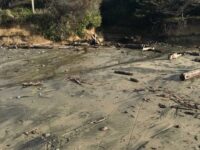
A quiet day at the beach. Sand is starting to wash away.
Conditions
Temperature: 58 F. Cloud Cover: Partly Cloudy. Wind Velocity: Calm/Light. Wind Direction: E. Tide Level: 3.1 feet.
Human Activities
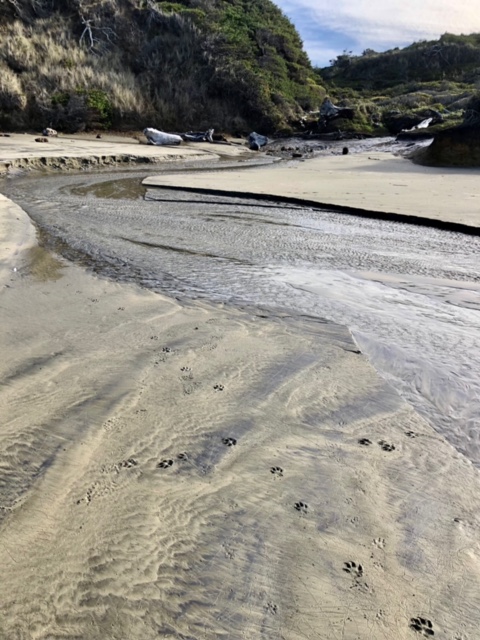
Number of people: 6. Number of dogs: 2. Walking or running: 6.
Concerns
Disturbances: Shorebirds moving in response to humans/dogs
Vehicles
Cars/trucks parking: 5.
Notable Wildlife
seabirds
Driftline Content
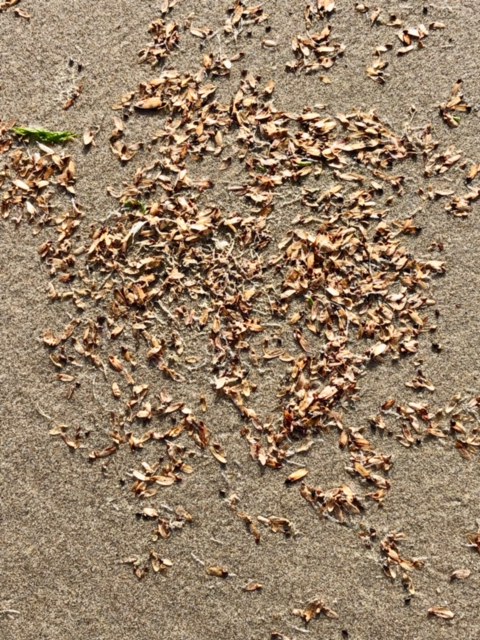
Small rocks, Seaweeds and seagrass, Shells.
New Development
none
Natural Changes
Erosion of vegetated foredune.
Actions & Comments
none
Report Images

lectricriderone
CoastWatcher
All Mile 181 Reports
Mile 181
Carl G. Washburne SP, Blowout Creek
During a minus tide I noticed the sand was soaked with puddles and with wet logs scattered everywhere. There were places where hundreds of Velella jellyfish were observed on the sand.
Gordon Pollock
Mile 181
Carl G. Washburne SP, Blowout Creek
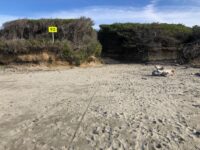
A quiet day at the beach.
lectricriderone
Mile 181
Carl G. Washburne SP, Blowout Creek
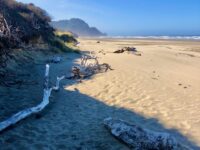
Beautiful weather and clean sand made for a moderate number of people out at mile 181.
lectricriderone
Mile 181
Carl G. Washburne SP, Blowout Creek
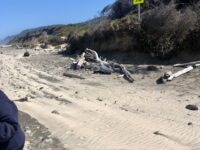
I saw fewer cars than usual in the parking lot at Carl Washburne beach.
lectricriderone
Mile 181
Carl G. Washburne SP, Blowout Creek
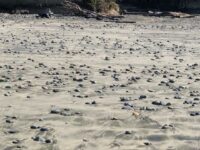
It's always a pleasure to walk on mile 181.
lectricriderone
Mile 181
Carl G. Washburne SP, Blowout Creek
The beach at mile 181 appears natural and free of changes.
lectricriderone
Mile 181
Carl G. Washburne SP, Blowout Creek
Mile 181 is evolving on a natural path with very little human caused changes.
lectricriderone
Mile 181
Carl G. Washburne SP, Blowout Creek
It appears that the normal pattern of beach evolution is happening at mile 181.
lectricriderone